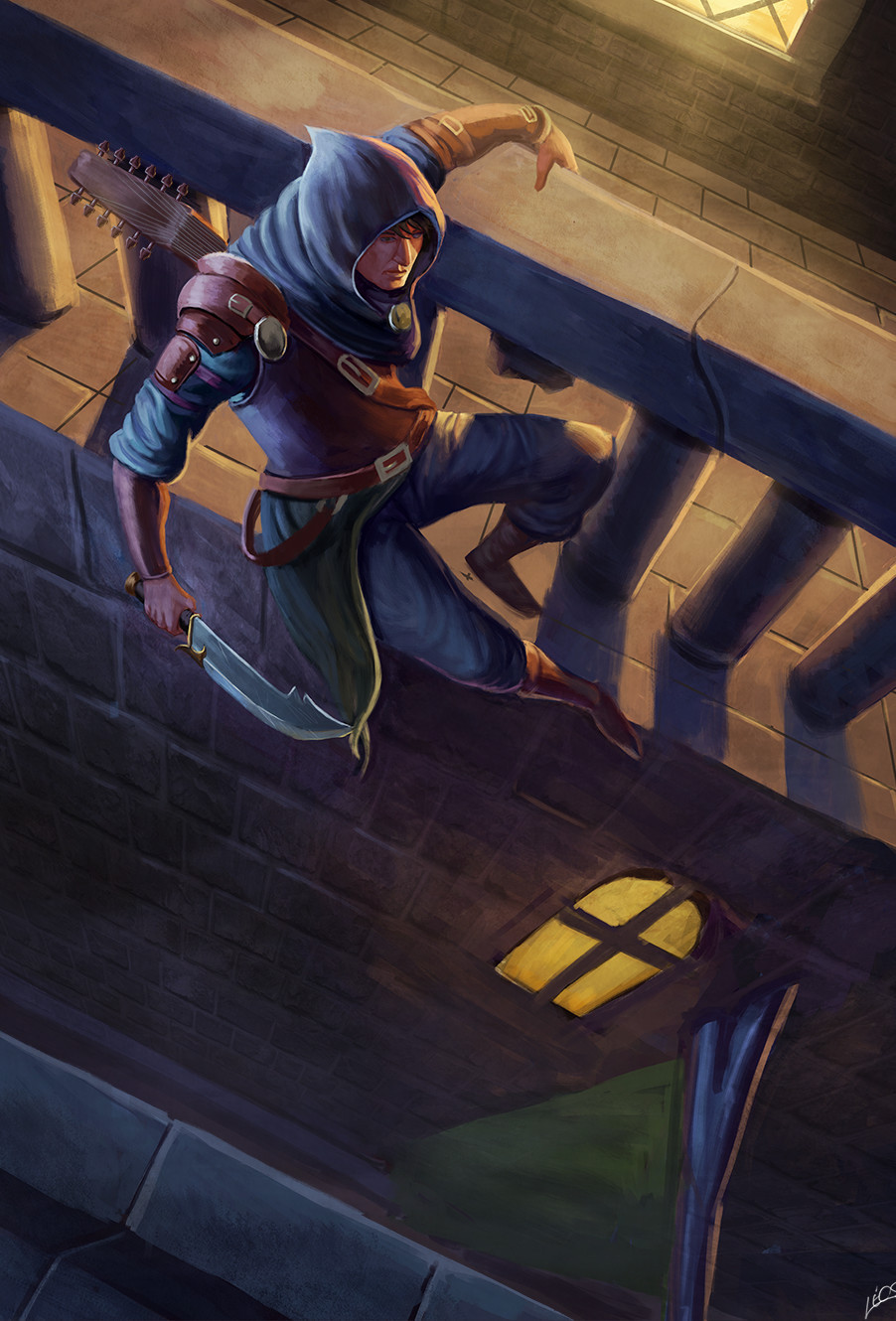
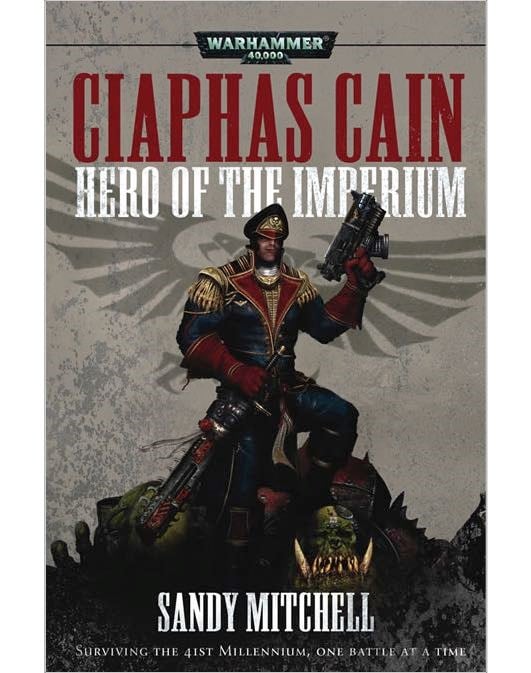
Anyway, there's been a rumbling notion in the back of my brain for a while about an 18th Century setting to put together, which needs a lot of finessing - something called (sometimes) White Hot Sparks from the Crucible of the Enlightenment. This post over at Against the Wicked City is worth considering. Into this, one would not wish to drop the Bard of Early Medieval savagery or the minstrel of Late Medieval courtly romance.
An alternative suggested itself: a social interaction focused character: the Man of the World*.
[*The Phrase fits the class; though it is not bounded by sex. However, those characters from literature I may reference in the course of this post are generally men - just as with wizards.]
So, here's how it breaks down in terms of prospective bard subtypes:
A Bard-proper knows the Iliad.
A Herald knows the Almanac de Gotha.
A Man of the World knows people.
An Envoy knows policies.
What sort of character can I envisage? If the typical wizard is Gandalf or Merlin and the typical fighter Lancelot or Conan, who is the Man of the World?
Well, Friar Tuck might be one example. Experienced, older, a fighter when necessary but not by choice, desirous of worldly comfort - none of which stops him being committed to Robin Hood's cause. (His appearance in Ivanhoe as 'the Holy Clerk of Copmanhurst' might be a good touchstone).
Falstaff is more explicitly comic than Friar Tuck - and less moral. Baron Munchasen may be worth referencing.
What has the Man of the World done? Well, I have two conceptions of him.
One is explicitly higher up the social scale: she's done the Grand Tour of Europe (or equivalent), met plenty of people, picked up plenty of skills: gone on campaign . There is something quite picaresque about it.
The other is a veteran, but not a skilled fighter or any kind of elite necessarily: just used to the pressures of campaigning life. He knows where the best billets are, how to find food, what kind of food to find, where to get news. He was in the retreat from Caspianstadt and served on the Guelphine borders.
The character of Captain Bluntschli from Bernard Shaw's Arms and the Man is perfect for this (see a quote from his introduction below), however good his social standing.
MAN. I've no ammunition. What use are cartridges in battle? I always carry chocolate instead; and I finished the last cake of that yesterday.
RAINA (outraged in her most cherished ideals of manhood). Chocolate! Do you stuff your pockets with sweets—like a schoolboy—even in the field?
***How does the character work?
Well, as before with the Bard, I dislike songs as magic. The Man of the World's powers come from a combination of anecdotal knowledge ('I saw worse at the Siege of Caspianstadt'), connections ('I used to know the Colonel quite well,'), small but well chosen provisions ('Have a sip of this, take your mind off it...'), promises of relief in difficult times ('I know a fine restaurant in the Wormwood Quarter that does an excellent dinner.')
Let's refer to the Next 52 Bard Class.
The basic stats all stay the same, but the magic is going to be re-trimmed.
Charm-school spells still fit in nicely with the roguish or social element of the Man of the World (even if the more explicitly magical elements take some explaining beyond 'He's just that persuasive' - the Man of the World has to say just why someone should sit up and pay attention).
The spells occur by A) social charm, anecdotes, bonhomie among the party and B) careful use of equipment.
Starting equipment for the 18th Century Man of the World figure I had in mind might include:
'Of course I have a sword, as a man of Quality.'
Box of calling cards
Box of other peoples cards [So he can point to the address of somebody who will vouch for him...]
Box of playing cards
Box of snuff
Box of comfits
Hip-flask of fine brandy
Elegant note-paper, ink, pen and sealing wax
Respectable clothing
Personal grooming tools [Varies with setting/character, of course - shaven/unshaven, men with cosmetics or without, &c.]
Levelling up requires a cash investment generally for new spells and the like: the Man of the World gets more/better luxuries with which to keep people going. (This conjures up the image of a high-level Man of the World trundling along an air hostess drinks trolley full of miniatures: the GM had best indicate to the players that alcohol is only part of the process). Preparing a 'spell' is necessary ('Where did I leave that hip flask?'); making sure you look respectable or producing an actual, written letter of introduction (fake or otherwise) is going to add bonuses.
The 'Veteran' model of the Man of the World is more likely to have high-quality rations and military moonshine than the above list.
Likewise with the Abjuration school spells: these can be introduced via anecdote, &c. But the explicitly supernatural stuff (Holy Weapon, Remove curse) must be cut out.
Planar spells are completely out. No teleporting Falstaff for you. However, by way of recompense, the Man of the World gets the Next 52 Enchanter and Diviner cantrips from the specialist wizard classes. The Enchanter is self-explanatory; the Diviner cantrip derives from sheer experience and is accompanied by an anecdote ('At the Siege of Caspianstadt, I had to dig a musket ball out of my pal's leg with only a fork....' which is why I get a I get a surgeon background word for an hour; 'I was shipwrecked in the Buccaneer's Archipelago and had to live on shellfish for a fortnight...' which is why I get a forager background word for an hour.)
The truth of the anecdote is optional.
Why can't just anyone carry around letters of introduction, comfits, grooming gear, cards &c.?
Well, sure, they can and are encouraged to do so (why not carry round things that may help socially?). But to get a predictable result from it, to one with confidence - this takes time and training. The Man of the World has gained that, somehow.
Why isn't the Man of the World living on an estate somewhere? Why isn't he successful, if he's been at this a while?
Experience robs the Man of the World of a settled life - and money passes through his hands quickly (no-one will take his IOUs). He might have known the Duke of Ruthsay when they were boys, but they have clearly taken different paths. The Grand Vizier or the Old General might spare a little time for the Man of the World - for old times sake, but won't neglect affairs of state on the strength of a old and distant acquaintanceship.
[POST SCRIPT - a few words; what does an evil Man of the World look like? A bit like Falstaff; a bit like Barry Lyndon in the end of Act One; a bit like Harry Flashman at his worst - certainly like Harry Lime. Demetrios in Eric Ambler's Mask of Demitrios is worth a mention. Richard Roper from Le Carre's The Night Manager is a more likely candidate than Blofeld.]